Area Guide
Williams, Arizona & the Grand Canyon Corridor
The market context behind this investment opportunity — tourism demand, regional access, and why investors are targeting northern Arizona.
Williams at a Glance
Grand Canyon gateway on historic Route 66
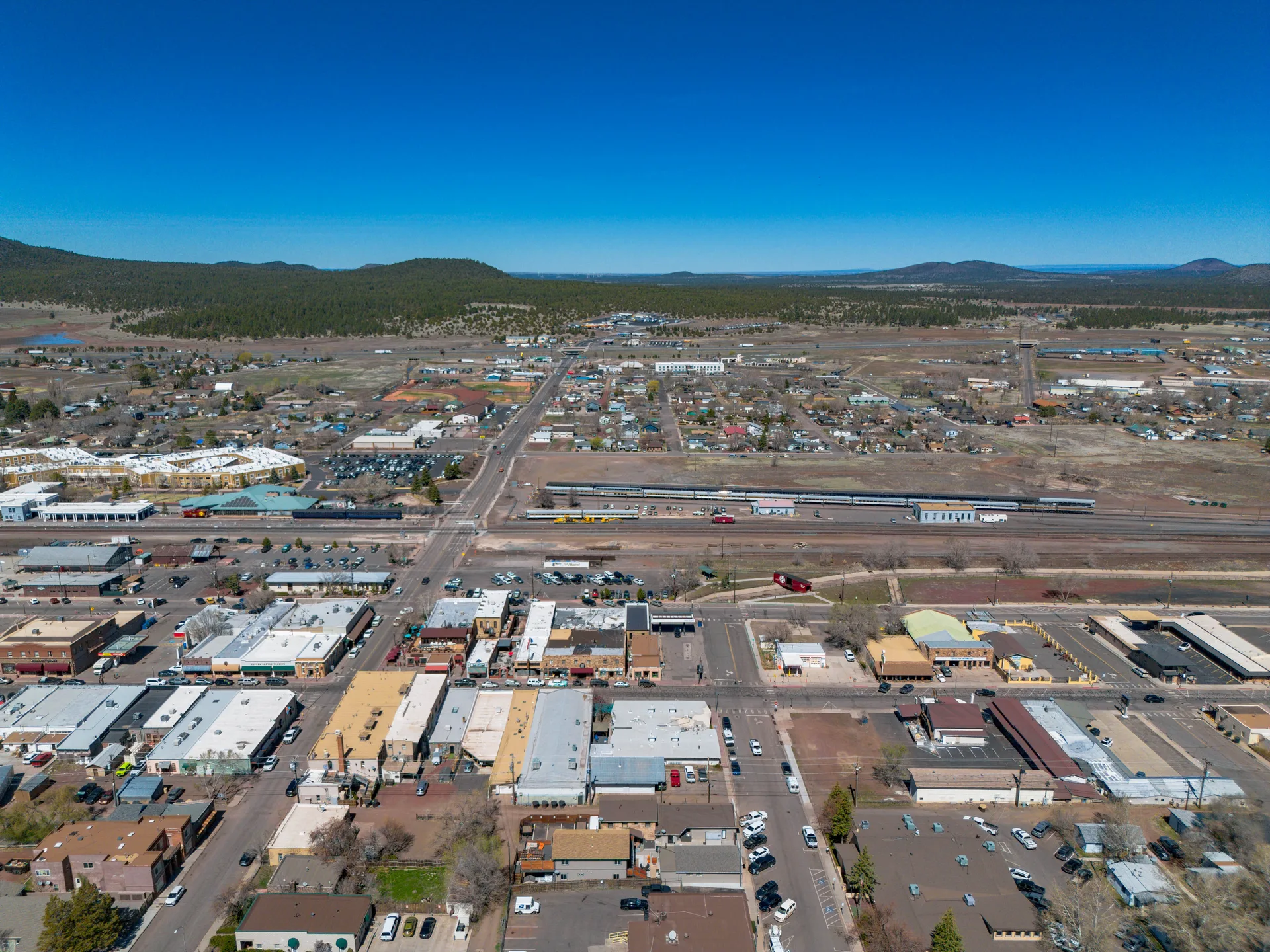
Williams, Arizona is a small mountain town with an outsized tourism economy. Located at 6,800 feet on the southern edge of the Kaibab Plateau, the town serves as the primary southern gateway to the Grand Canyon — approximately 60 miles from the South Rim. The entire downtown historic business district is listed on the National Register of Historic Places, and Route 66 runs directly through the center of town.
With a population of approximately 3,200 and an estimated 3 million visitors annually, Williams is one of the most tourism-intensive small towns in Arizona. This visitor volume supports a robust commercial ecosystem that disproportionately benefits downtown businesses — the same ecosystem that sustains the tenants at 112 & 116 N. 1st St.
~3,200
Population
6,800 ft
Elevation
~3M
Annual Visitors
NRHP
Historic District
What Draws Visitors
Major attractions driving year-round demand
Williams benefits from a diversified portfolio of tourism drivers that generate foot traffic and spending 12 months a year. Unlike single-season destinations, these attractions span family adventure, outdoor recreation, heritage tourism, and transit to one of the world's most visited natural wonders.
Grand Canyon South Rim
Approximately 60 miles north of Williams. The Grand Canyon receives ~6 million visitors annually, and the majority approach from the south via Williams and Interstate 40.
Grand Canyon Railway
Scenic 65-mile rail journey from the Williams depot to the South Rim. Operating since 1901, carrying 200,000+ passengers annually. The depot sits steps from the downtown core. thetrain.com
Bearizona Wildlife Park
Drive-through wildlife sanctuary featuring bison, bears, wolves, and big cats. One of the top family attractions in northern Arizona, drawing visitors year-round. bearizona.com
Canyon Coaster Adventure Park
Alpine mountain coaster, zipline, and family adventure park on Route 66. A seasonal thrill attraction that adds to the area's family tourism draw. canyoncoasteradventurepark.com
Kaibab National Forest
1.6 million acres of national forest surrounding Williams. Hiking, mountain biking, fishing, camping, and cross-country skiing. Multiple trailheads within minutes of downtown. fs.usda.gov/kaibab
Bill Williams Mountain
A 6,770-foot peak overlooking Williams. Named after mountain man Bill Williams. Offers hiking, scenic views, and summer recreation in the Kaibab National Forest.
Regional Access
Connected to Arizona's major metro markets
Williams sits directly on Interstate 40, Arizona's primary east-west corridor. This connectivity makes the property accessible to investors and visitors from both the Phoenix and Flagstaff metro areas — and positions Williams as a practical location for out-of-state investors conducting site visits or managing remote portfolios.
~30 min
To Flagstaff via I-40
~35 miles south on I-40
~60 mi
To Grand Canyon South Rim
Via AZ-64 North
~3 hrs
To Phoenix Metro
~190 miles via I-40 & I-17
FLG
Flagstaff Pulliam Airport
Commercial service, ~40 min
Investor Perspective
Why Williams attracts real estate investors
Williams occupies a distinct position in the Arizona real estate landscape. It offers the tourism-driven demand of a destination market with the affordability and accessibility that Flagstaff and Phoenix increasingly lack. For investors seeking income-producing assets in the Grand Canyon corridor, the numbers tell a compelling story.
Growing tourism demand. Approximately 3 million visitors pass through Williams annually, supporting a commercial ecosystem that punches well above the town's 3,200 population. This visitor base creates consistent demand for commercial tenants and residential rental occupancy.
Diversified income streams. Mixed-use properties like 112 & 116 N. 1st St. generate revenue from both commercial and residential tenants. This diversification reduces risk — if one sector softens, the other continues performing.
Lower entry costs. Compared to Flagstaff, where median commercial property prices have risen substantially, Williams offers more affordable entry points with comparable or stronger yield potential. The cost per unit is significantly lower than metro Arizona markets.
Short-term rental potential. Williams' tourism economy and Route 66 heritage make it attractive for short-term rental operators, adding potential upside for investors with the right zoning and management approach.
Limited commercial inventory. The National Register historic district restricts new development, keeping supply constrained and occupancy rates high for existing properties. Zero vacancy is the norm, not the exception, for well-positioned downtown assets.
100% Occupancy
Strong demand and limited supply mean well-positioned downtown properties maintain full occupancy with waiting lists for both commercial and residential units.
Mixed-Use Resilience
Properties with both commercial and residential components are more resilient than single-use assets. Diversified income reduces exposure to sector-specific downturns.
Year-Round Demand
Summer Grand Canyon visitors, fall foliage tourists, winter skiers and Polar Express riders, and spring wildflower hikers — Williams draws visitors in every season.
Tourism-Grade Tenancy
Commercial tenants in downtown Williams benefit from a customer base far larger than the permanent population — millions of visitors annually, not just 3,200 residents.
Downtown Life
Local dining, shopping & events
Williams' downtown corridor features a growing selection of restaurants, cafes, breweries, and retail shops — all benefiting from the same tourism foot traffic that supports the property's commercial tenants. Here are some highlights:
Dining & Drinks
Anna's Canyon Cafe
137 W Railroad Ave · 4.4★ (595 reviews)
Cruiser's Route 66 Cafe
233 W Rte 66 · 3.8★ (2,949 reviews)
Pine Country Restaurant
107 N Grand Canyon Blvd · 4.1★ (3,200+ reviews)
Historic Brewing Barrel House
141 W Railroad Ave · 3.9★ (448 reviews)
Brewed Awakenings Coffee Co.
326 Historic Rte 66 · 4.3★
Annual Events & Festivals
Williams hosts several signature annual events that draw additional visitors and reinforce the town's identity as a year-round destination:
Route 66 Car Show
Two-day event in June featuring approximately 500 classic vehicles, live auction, and community cookout along historic Main Street.
Cowpunchers' Reunion Rodeo
Multi-day rodeo event at the Williams Rodeo Grounds in late June. A longstanding tradition drawing competitors and spectators from across the region.
Winter Wonderland
Williams' annual holiday celebration with lights, festivities, and the town's festive spirit. Draws visitors throughout the holiday season.
Fourth of July Celebration
Community fireworks and Independence Day festivities in the heart of downtown. A popular draw for visitors and families throughout northern Arizona.
Polar Express (Grand Canyon Railway)
November–December. The Grand Canyon Railway's holiday train experience fills downtown Williams with seasonal visitors, driving restaurant, lodging, and retail traffic through the winter.
New Year's Eve Celebration
Classic car drop, fireworks, and community celebration ringing in the new year on Route 66 — a signature Williams tradition.
The Investment Opportunity
A turnkey asset in the heart of a growing tourism destination
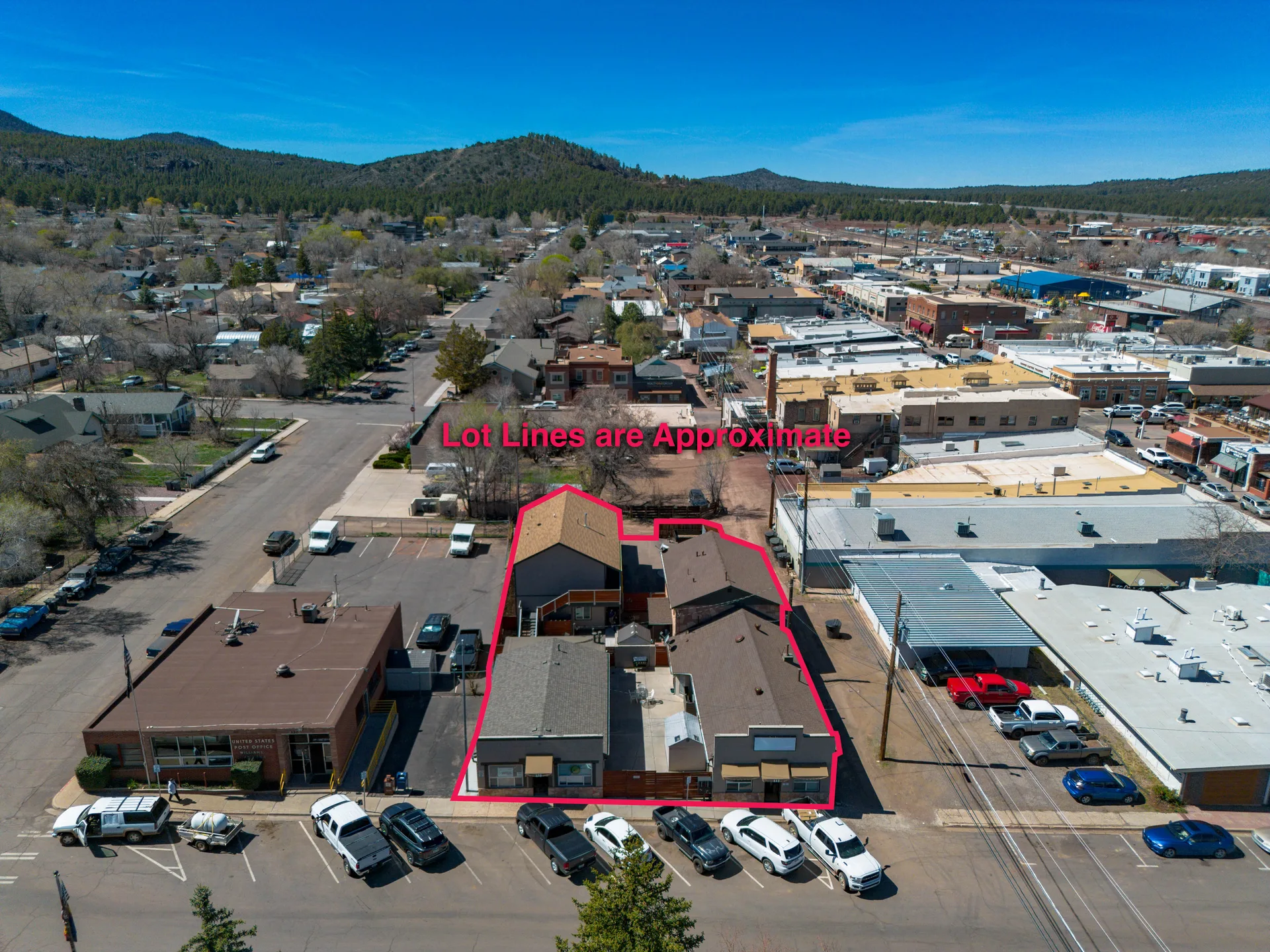
112 & 116 N. 1st St. sits at the center of everything described on this page. The property is steps from the Grand Canyon Railway depot, Bearizona, Canyon Coaster Park, and the Route 66 dining and retail corridor. It generates income from both commercial and residential tenants — all fully occupied with a strong waiting list.
For Phoenix and Flagstaff investors, this represents a turnkey, income-producing asset in a market with lower entry costs, stronger yield potential, and a diversified tenant base supported by year-round tourism demand.