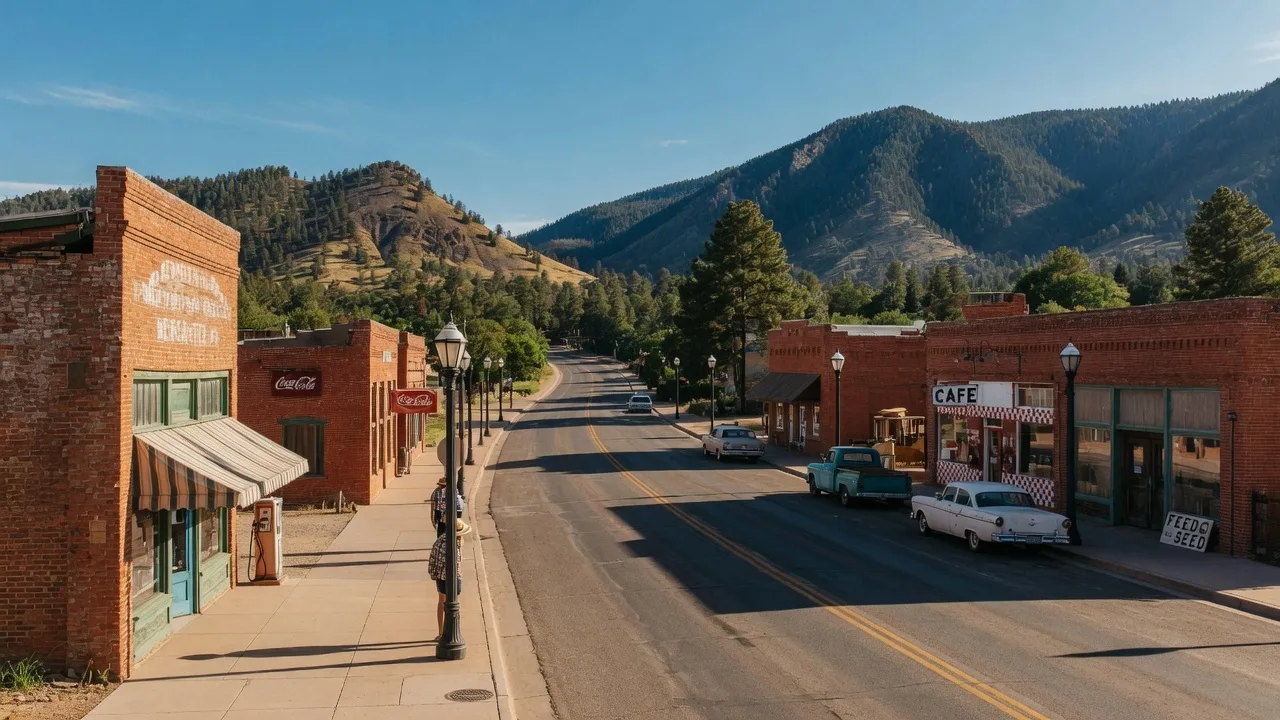
Williams, Arizona occupies a unique position in the American tourism landscape. Located 60 miles south of the Grand Canyon South Rim at 6,800 feet elevation, this town of roughly 3,200 residents serves as the primary southern gateway for one of the world's most visited natural wonders. That geographic advantage has shaped Williams' economy, its real estate market, and its identity for over a century.
The Numbers Behind the Gateway
The Grand Canyon National Park receives approximately 6 million visitors annually. While exact figures vary by year, the majority of south-rim visitors travel via Interstate 40 and pass through or near Williams. The Grand Canyon Railway carries an additional 200,000+ passengers per year from the Williams depot directly to the South Rim — a 65-mile scenic journey that has operated continuously since 1901.
These visitors need fuel, food, lodging, supplies, and entertainment — and Williams is positioned to capture that demand before visitors reach the park.
The Railway Connection
The Grand Canyon Railway is more than a tourist attraction; it is an economic engine for downtown Williams. The depot sits at the southern end of the historic business district, and passengers disembarking for the day trip typically spend time in the downtown core before and after their journey. The Grand Canyon Railway & Hotel at 235 N Grand Canyon Blvd is one of the highest-rated lodging properties in northern Arizona, with over 9,700 reviews.
The railway's Polar Express holiday event, running November through December, brings additional seasonal traffic that fills restaurants, shops, and lodging through what would otherwise be a quieter period.
A Diversified Tourism Portfolio
Williams' tourism economy extends well beyond the Grand Canyon. Bearizona Wildlife Park, a drive-through wildlife sanctuary, is one of the top family attractions in northern Arizona. Canyon Coaster Adventure Park offers an alpine coaster and zipline experience on Route 66. The Kaibab National Forest, surrounding Williams on three sides, provides 1.6 million acres of hiking, camping, fishing, and outdoor recreation.
This diversified portfolio of attractions means Williams benefits from year-round visitation rather than depending on a single seasonal peak. Summer brings Grand Canyon hikers and family vacationers; fall offers foliage and milder temperatures; winter draws skiers to nearby Arizona Snowbowl and holiday visitors for the Polar Express; spring brings wildflower season and the reopening of high-altitude trails.
What This Means for Local Real Estate
For commercial property investors, this tourism profile creates a powerful demand signal. Restaurant, retail, and service tenants in downtown Williams benefit from a customer base that extends far beyond the town's 3,200 permanent residents. The steady flow of visitors supports higher occupancy rates, stronger tenant businesses, and more resilient property values than many comparable small-town markets.
Mixed-use properties with both commercial and residential components are particularly well-positioned. The residential units serve the local workforce — hospitality workers, park employees, small business operators — while the commercial spaces capture visitor spending. This dual-demand dynamic is exactly what makes properties like 112 & 116 N. 1st St. compelling investment opportunities.
The Route 66 Factor
Route 66 nostalgia adds another layer to Williams' appeal. The "Mother Road" is one of the most recognized cultural icons in American travel, and Williams sits on one of its most authentic surviving stretches. This cultural cachet drives a specific type of visitor — road-trippers, history enthusiasts, and photographers — who tend to spend more time and money in downtown commercial districts than pass-through highway travelers.
For commercial property tenants, the Route 66 brand provides built-in marketing. For investors, it provides a long-term demand driver that is culturally embedded rather than dependent on any single attraction or economic cycle.